

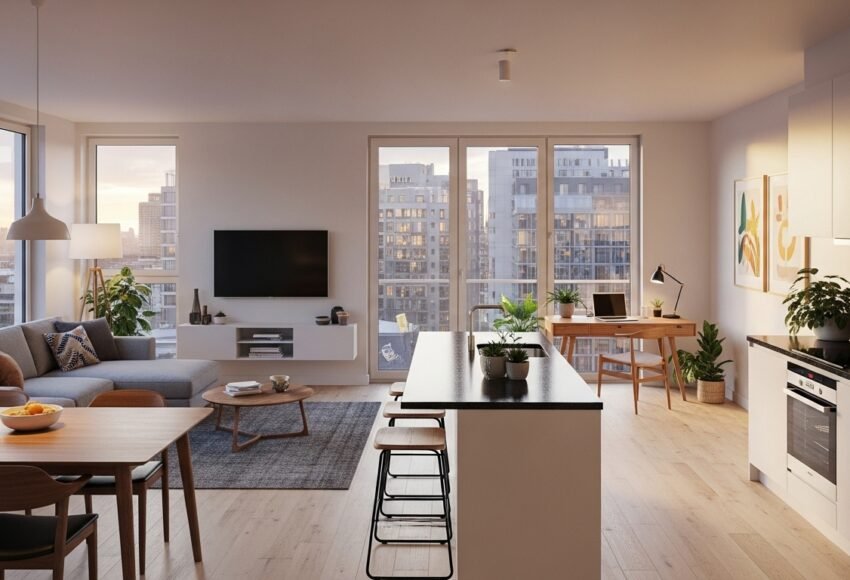
Best Interior Design Trends for Homes and Offices in Kenya
Interior design in Kenya has changed dramatically over the past decade. What used to be about basic finishes and furniture placement has evolved into a full lifestyle statement. Today, homeowners and business owners want spaces that are stylish, functional, and tailored to how they live and work.
After working in construction, renovation, and interior finishing for many years, I’ve seen firsthand how good design can completely transform a space — not just visually, but emotionally and practically too. Whether you’re building a new home in Mombasa, renovating an apartment in Nairobi, or upgrading your office in Kisumu, understanding the best interior design trends for homes and offices in Kenya can help you make smarter, longer-lasting decisions.
In this guide, I’ll walk you through the most popular and practical interior design trends, explain why they work so well in the Kenyan climate and lifestyle, and share real-world insights from the field.
1. Open-Plan Living and Working Spaces
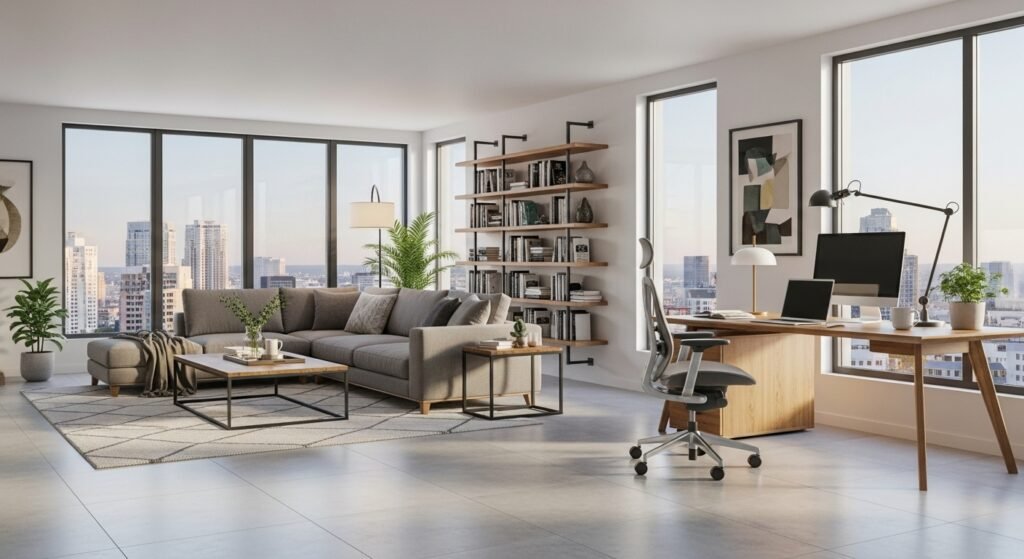
One of the strongest interior design trends in Kenya is the shift toward open-plan layouts. This is especially popular in modern apartments, maisonettes, and offices.
Open-plan designs combine spaces such as the kitchen, dining, and living room into one flowing area. In offices, it means fewer closed rooms and more collaborative workspaces.
Why it works in Kenya:
- Improves airflow, especially in coastal areas like Mombasa
- Maximizes natural light
- Makes small spaces feel bigger
- Encourages family interaction and teamwork
From experience, clients often worry about noise or privacy. The solution? Smart zoning using furniture, glass partitions, gypsum features, or decorative screens. You still get openness without losing functionality.
2. Natural Materials and Earthy Finishes
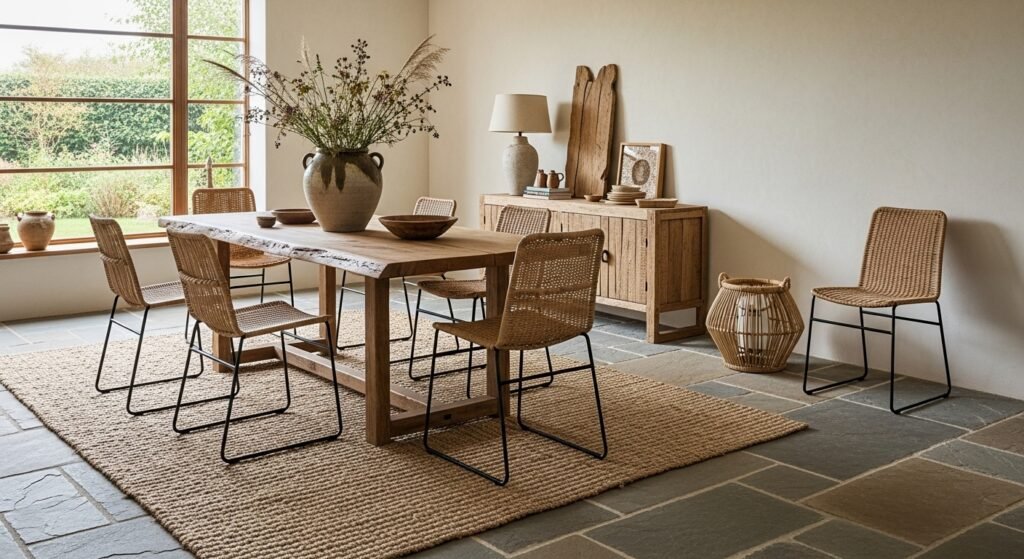
Kenyans are increasingly drawn to natural, warm materials. This trend reflects a growing appreciation for sustainability and comfort.
Popular natural elements include:
- Timber and wood finishes
- Natural stone
- Woven materials (rattan, cane, sisal)
- Neutral earthy tones like beige, sand, olive, and terracotta
These materials not only look great but also suit Kenya’s climate. They stay cooler than heavy synthetic finishes and create a relaxed, welcoming feel.
In coastal homes, we often recommend light woods and stone to create that airy, beach-inspired look that never goes out of style.
3. Smart Use of Color: From Neutrals to Bold Accents
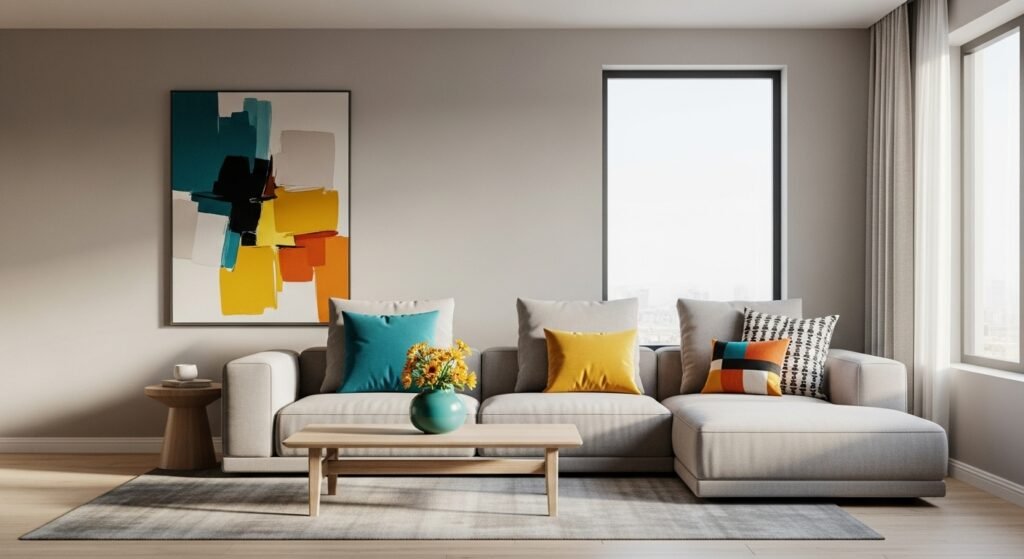
While neutral colors remain popular, many homeowners and office designers are now adding bold accent colors to create personality.
Common choices include:
- Deep blues
- Emerald green
- Mustard yellow
- Burnt orange
- Charcoal grey
The trick is balance. Instead of painting every wall bold, designers use feature walls, accent furniture, or decorative panels.
In offices, color is also used strategically to boost productivity and brand identity. For example, tech companies often use energetic colors, while law firms prefer calm, professional tones.
4. Custom Built-Ins and Storage Solutions
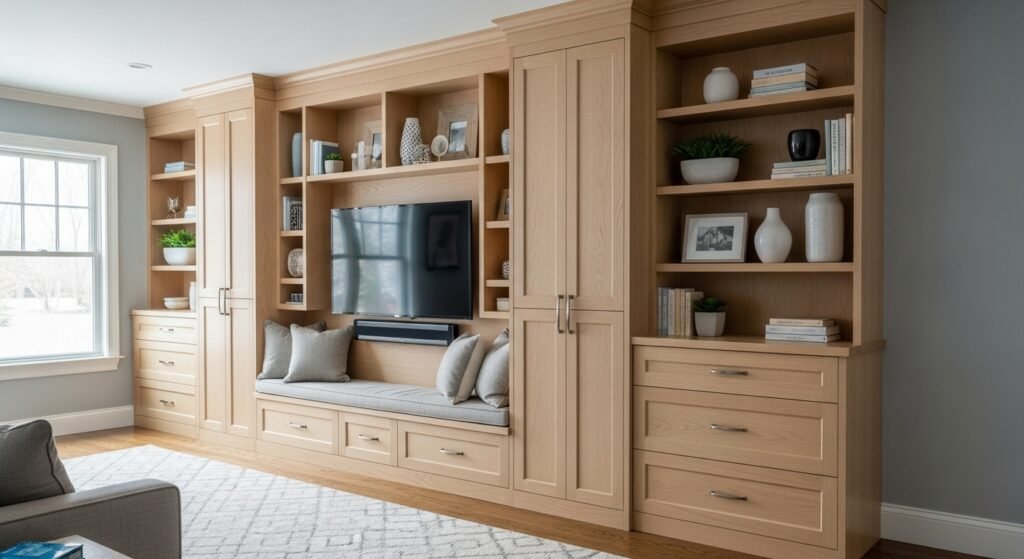
Space is valuable, especially in urban areas. One of the most practical interior design trends in Kenya is custom storage and built-in furniture.
This includes:
- Built-in wardrobes
- TV wall units
- Kitchen cabinetry
- Office storage walls
- Floating shelves
Custom solutions make better use of space and give a cleaner, more organized look. They also increase property value because they feel permanent and premium.
From experience, clients who invest in good cabinetry and storage never regret it — it makes daily life much easier.
5. Modern Lighting Design
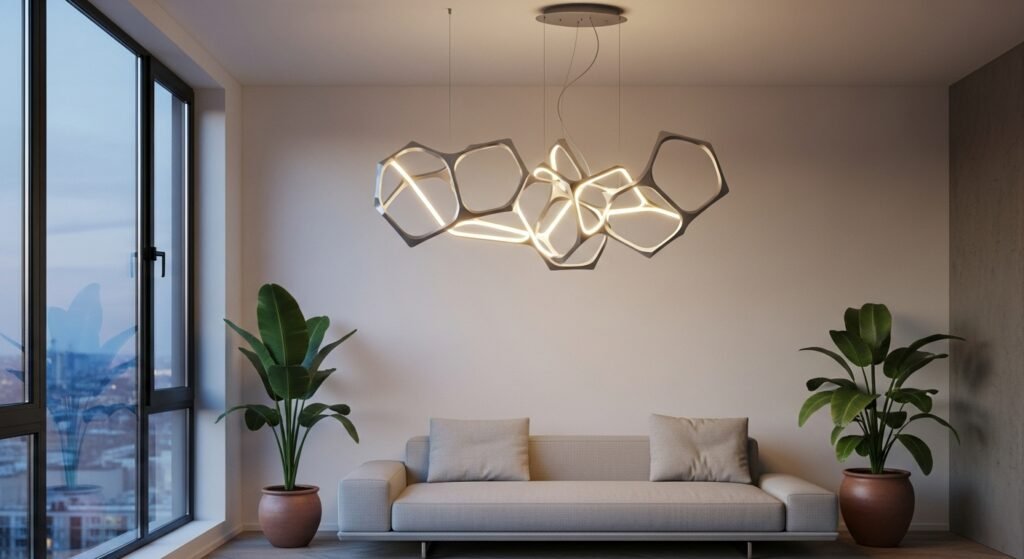
Lighting is no longer just about a single bulb in the middle of the room. Modern Kenyan interiors use layered lighting to create mood, functionality, and style.
Popular lighting trends include:
- Recessed LED downlights
- Pendant lights over kitchen islands
- Cove lighting in gypsum ceilings
- Wall sconces
- Smart lighting systems
Good lighting can make an average room look high-end. In offices, proper lighting also reduces eye strain and improves productivity.
At Coast Decorators, we always say: lighting is not an extra — it’s a core part of interior design.
6. Gypsum Ceilings and Feature Walls
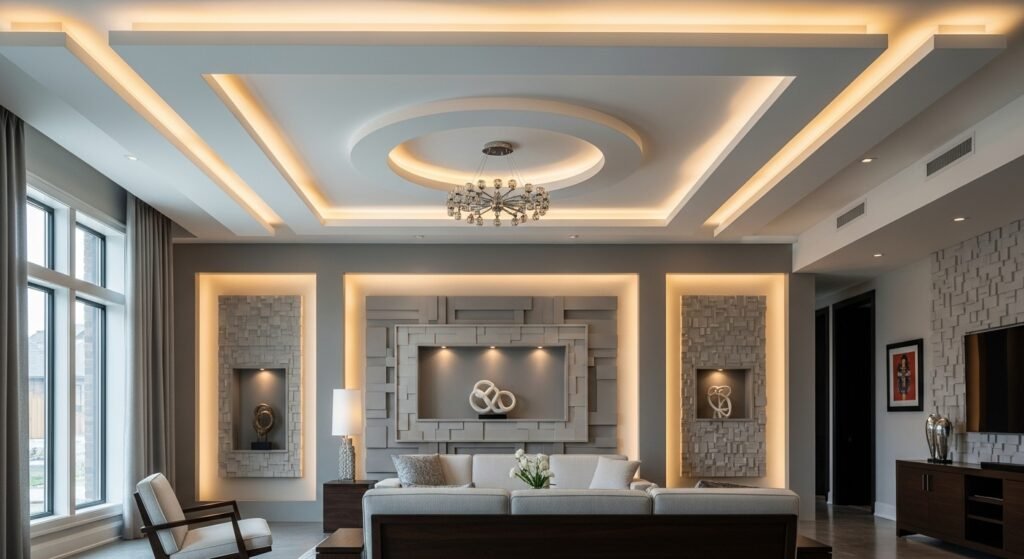
Gypsum ceilings have become a standard in modern Kenyan homes and offices. They allow for creative designs, hidden lighting, and clean finishes.
Common trends:
- Tray ceilings
- Drop ceilings with LED strips
- Decorative ceiling panels
- 3D gypsum feature walls
- TV feature walls with wood, stone, or panels
Feature walls are especially popular in living rooms, master bedrooms, and reception areas in offices. They create a strong focal point and give a space a designer feel without excessive cost.
7. Functional Home Offices and Hybrid Workspaces
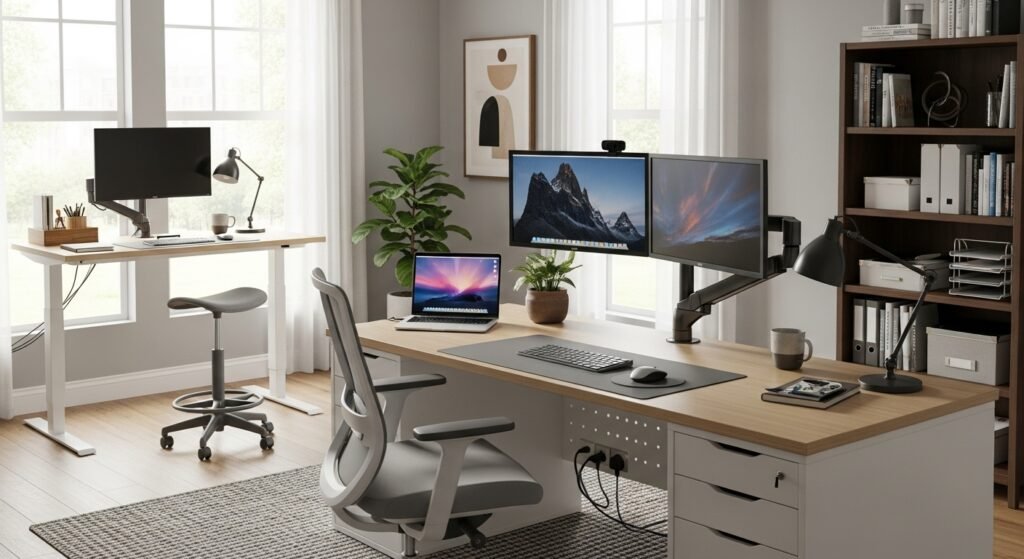
Remote and hybrid work has changed how Kenyans design their homes. More people now want dedicated home office spaces.
Trends include:
- Compact study corners
- Sound-insulated rooms
- Built-in desks and shelves
- Good task lighting
- Ergonomic furniture
Even in small apartments, designers are creating clever work zones that don’t interfere with family life. This trend is especially strong in urban areas.
8. Eco-Friendly and Energy-Efficient Design
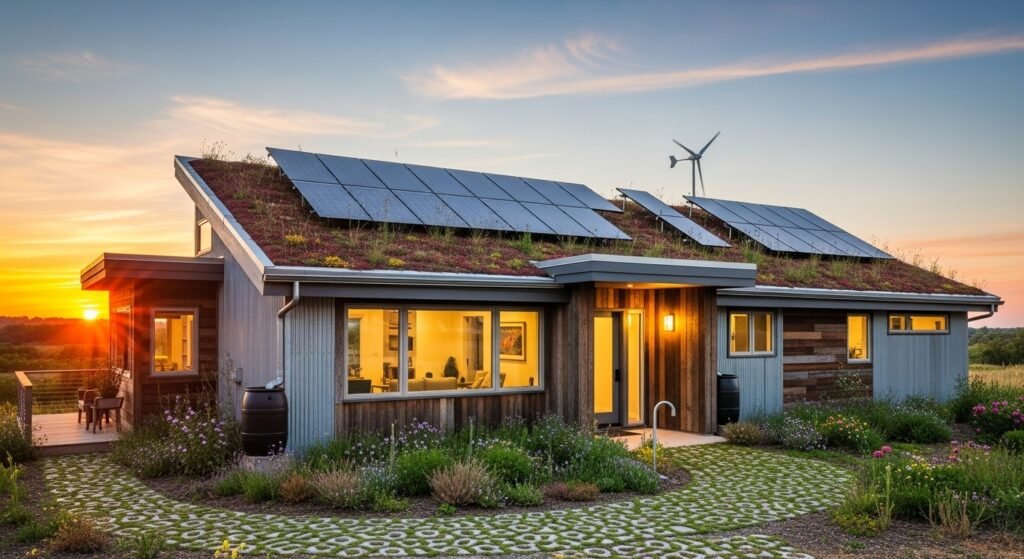
Sustainability is becoming more important in Kenyan interior design. Clients are asking for energy-saving and environmentally friendly options.
These include:
- LED lighting
- Low-VOC paints
- Energy-efficient appliances
- Natural ventilation design
- Sustainable wood products
Besides helping the environment, these choices also reduce electricity bills — a big plus for both homes and offices.
9. Office Interiors That Reflect Brand Identity
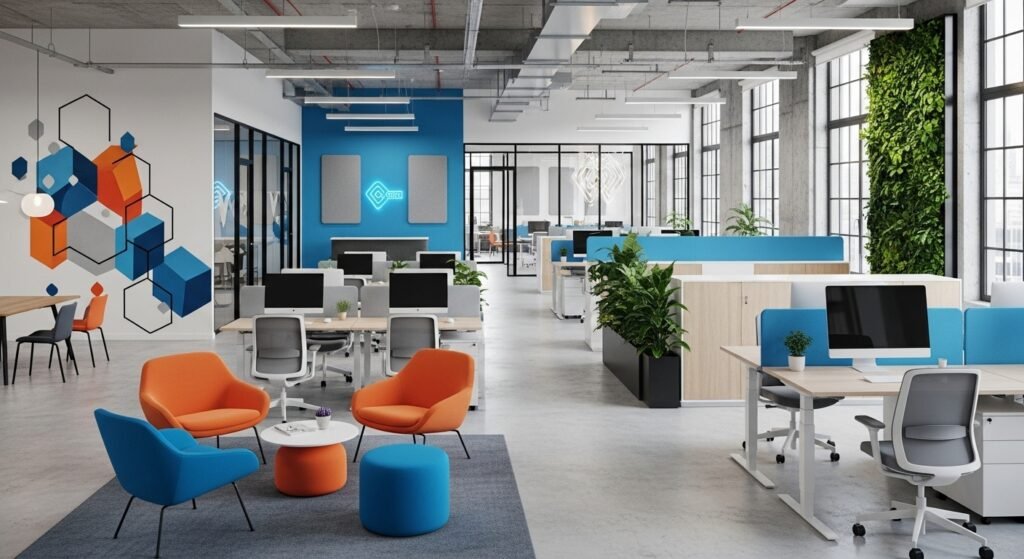
Office interior design in Kenya is moving beyond plain white walls and basic desks. Businesses now want spaces that reflect their brand, culture, and values.
Popular office trends:
- Branded wall graphics
- Custom reception areas
- Collaborative work zones
- Breakout lounges
- Modern boardrooms
A well-designed office improves staff morale and leaves a strong impression on clients. I’ve seen businesses grow their reputation simply by upgrading their workspace.
10. Blending Local and Modern Styles
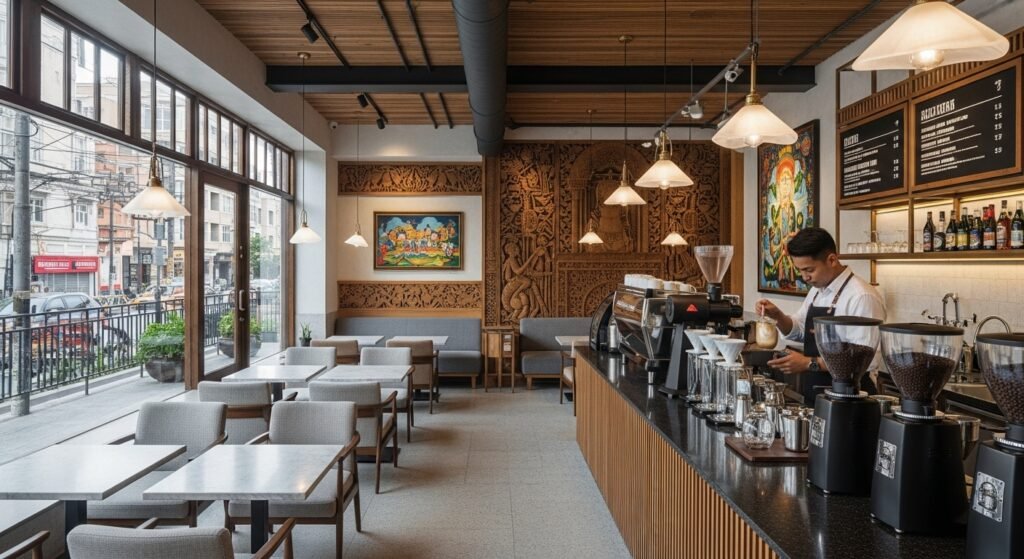
One unique trend in Kenya is blending modern design with local culture. This might include:
- Swahili-inspired patterns
- African artwork
- Handcrafted décor
- Coastal or safari-themed elements
This creates interiors that feel modern but still connected to Kenyan identity — something many homeowners and hospitality businesses love.
Why Professional Interior Design Matters in Kenya
Many people try to design on their own, which is understandable. But professional interior design saves money in the long run.
Professionals help you:
- Avoid costly mistakes
- Choose durable materials
- Maximize space
- Coordinate colors and finishes
- Manage budgets effectively
From experience, clients who involve professionals early always get better results — and fewer regrets.
How Coast Decorators Supports Modern Interior Design
At Coast Decorators Ltd, we’ve worked on homes, offices, and commercial spaces across Mombasa and Kenya. We stay updated on the best interior design trends for homes and offices in Kenya and adapt them to suit each client’s budget, taste, and space.
Our approach combines:
- Practical design
- Quality workmanship
- Climate-appropriate materials
- Long-term durability
Good interior design is not just about looks — it’s about how a space makes you feel and function every day.
Final Thoughts
Interior design in Kenya is more exciting than ever. With the right choices, you can create a home or office that is stylish, comfortable, and built for the way you live and work.
By following the best interior design trends for homes and offices in Kenya, and working with experienced professionals, you can transform your space into something you’ll be proud of for years to come.
FAQs
1. What are the most popular interior design styles in Kenya?
Modern, contemporary, minimalistic, coastal, and Afro-modern styles are among the most popular in Kenyan homes and offices.
2. Is gypsum ceiling necessary for modern interiors?
It’s not mandatory, but gypsum ceilings allow for better lighting design and a more modern, polished look.
3. How much does interior design cost in Kenya?
Costs vary depending on size, materials, and level of customization. A professional can help you plan within your budget.
4. Can I redesign my office without disrupting operations?
Yes. With proper planning and phased work, renovations and interior upgrades can be done with minimal disruption.
Leave a Comment