

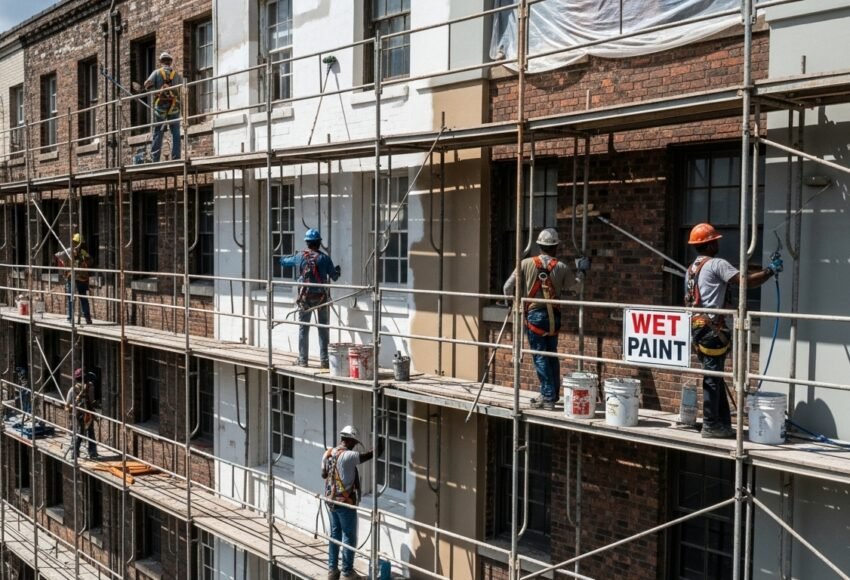
Exterior Painting and Waterproofing: Protecting Your Building in Coastal Kenya
If you own or manage a building along Kenya’s coast, you already know this truth: the ocean is beautiful, but it is tough on buildings.
In places like Mombasa, Kilifi, Malindi, and Diani, salt air, high humidity, intense sun, and heavy rains work against your walls every single day. I’ve seen well-built structures start showing cracks, peeling paint, damp walls, and corrosion much faster at the coast than upcountry.
That’s why Exterior Painting and Waterproofing: Protecting Your Building in Coastal Kenya is not just about looks — it’s about protecting your investment.
With many years of hands-on experience in coastal construction and finishing, I’ve learned that the right products, correct preparation, and proper waterproofing systems can add years to a building’s life. In this guide, I’ll break down what really matters, what mistakes to avoid, and how to make smart decisions for coastal conditions.
Why Coastal Buildings Need Special Protection
Coastal Kenya presents some of the harshest conditions for exterior finishes in the country.
The main challenges include:
- Salt in the air, which speeds up corrosion
- High humidity that traps moisture in walls
- Heavy rainfall and wind-driven rain
- Strong UV rays that fade and break down paint
- Warm temperatures that encourage mold and algae growth
I’ve inspected buildings less than five years old with serious exterior damage simply because the wrong paint or no waterproofing was used.
This is why exterior painting and waterproofing: protecting your building in coastal Kenya must be treated as a technical process — not just a cosmetic one.
The Real Role of Exterior Paint at the Coast
Many people think exterior paint is just for color and beauty. In coastal environments, paint is a protective barrier.
Quality exterior paint:
- Seals porous surfaces
- Reduces moisture penetration
- Protects against UV damage
- Slows down salt attack on walls and concrete
- Helps prevent mold and mildew growth
From experience, cheap or interior-grade paints used outside almost always fail within a year or two at the coast. You’ll see peeling, chalking, fading, and blistering very quickly.
Using marine-grade or coastal-rated exterior paints makes a huge difference. They are designed to handle humidity, salt, and sun — and they last much longer.
Waterproofing: The Most Overlooked Step
Waterproofing is one of the most misunderstood parts of construction and maintenance in Kenya. Many people assume thick paint is enough. It’s not.
Proper waterproofing involves dedicated systems for:
- Roof slabs and flat roofs
- Balconies and terraces
- External walls
- Bathrooms and wet areas
- Basements and foundation areas
I’ve seen beautiful exterior paint jobs ruined because water was entering through cracks, roof slabs, or poorly sealed joints. Paint alone cannot stop structural water penetration.
True waterproofing uses membranes, sealants, cementitious coatings, and protective layers designed to block water movement through concrete and masonry.
This is a core part of exterior painting and waterproofing: protecting your building in coastal Kenya — and it saves huge repair costs later.
Common Coastal Damage We See on Buildings
Over the years, certain problems appear again and again in coastal properties:
1. Peeling and Blistering Paint
Caused by trapped moisture, poor surface prep, or low-quality paint.
2. Damp Patches and Efflorescence
White powdery stains on walls mean moisture is moving through masonry.
3. Cracks in Walls and Plaster
Small cracks allow water to enter and grow into major damage.
4. Mold and Algae Growth
Especially on shaded walls and north-facing elevations.
5. Rust Stains from Reinforcement
Salt air speeds up steel corrosion inside concrete.
All of these issues are signs that exterior painting and waterproofing were either skipped or done incorrectly.
Surface Preparation: Where Most Jobs Fail
In my experience, the biggest difference between a long-lasting job and a failed one is surface preparation.
Proper prep includes:
- Power washing to remove dirt, salt, and mold
- Scraping loose and peeling paint
- Treating algae and mildew
- Repairing cracks and damaged plaster
- Allowing walls to fully dry
- Applying correct primers and sealers
Rushing this stage is a costly mistake. I’ve seen contractors paint straight over damp, dirty, or flaky surfaces. It may look good for a few months — then everything starts peeling.
At the coast, preparation is not optional. It is the foundation of durability.
Choosing the Right Paint and Waterproofing Products
Not all products are equal, especially for coastal use.
For exterior paint, look for:
- UV-resistant coatings
- Mold and algae-resistant formulas
- Flexible paint systems (to handle movement)
- Salt-resistant or marine-grade products
For waterproofing, common systems include:
- Cementitious waterproof coatings
- Liquid-applied membranes
- Bituminous membranes for roofs
- Polyurethane sealants for joints and cracks
Using the right system for the right area is critical. For example, roof slabs need different protection than vertical walls.
A professional assessment helps avoid mismatching products and wasting money.
Waterproofing Roofs, Balconies, and Terraces
Flat roofs and balconies are major sources of leaks in coastal buildings.
Common mistakes include:
- No slope for drainage
- Poor membrane installation
- Cracked screeds
- Blocked drainage outlets
- No protective layer over membranes
I’ve seen cases where one small balcony leak damaged multiple floors below. Proper waterproofing at these areas prevents expensive interior repairs, mold issues, and tenant complaints.
This is one of the most important parts of exterior painting and waterproofing: protecting your building in coastal Kenya.
Maintenance: Don’t Wait for Visible Damage
Many building owners wait until paint is peeling or walls are damp before taking action. By then, damage has already started.
A smarter approach:
- Inspect exterior walls annually
- Touch up cracks early
- Clean mold and algae regularly
- Recoat paint before total failure
- Check roof waterproofing every few years
Preventive maintenance is far cheaper than major repairs.
From experience, buildings that follow a maintenance plan last longer, look better, and hold higher property value.
Residential vs Commercial Coastal Buildings
Homes, apartments, hotels, and commercial buildings all face coastal exposure — but their needs differ.
Residential properties:
- Focus on comfort and appearance
- Need moisture control for health
- Protect personal investment
Commercial and hospitality properties:
- Must maintain professional appearance
- Face higher wear and tear
- Deal with guest or tenant complaints
- Protect brand image
Hotels and rental properties especially benefit from high-performance exterior systems because reputation matters.
How Professional Contractors Make the Difference
Exterior painting and waterproofing is not a DIY-friendly job at the coast.
Professional contractors:
- Assess moisture sources correctly
- Select proper systems
- Follow correct application methods
- Use trained teams
- Provide warranties and after-service
I’ve personally seen clients spend twice because they first used cheap shortcuts, then had to redo everything properly.
Choosing experienced coastal contractors saves money in the long run.
Final Thoughts
At the coast, your building is under constant attack from moisture, salt, and sun. Ignoring this reality shortens the life of your structure and increases long-term costs.
By investing in proper exterior painting and waterproofing: protecting your building in coastal Kenya, you are not just improving appearance — you are extending the life of your building, protecting occupants, and preserving property value.
From decades of experience, I can confidently say: do it right once, and you’ll avoid years of unnecessary repairs.
FAQs
1. How often should exterior paint be redone at the coast?
Typically every 4–7 years, depending on paint quality, exposure, and maintenance.
2. Is waterproofing necessary for all coastal buildings?
Yes. Coastal humidity and rain make waterproofing essential for long-term protection.
3. Can waterproofing be done on old buildings?
Yes. In fact, older buildings benefit even more from proper waterproofing systems.
4. What is the biggest mistake building owners make?
Using cheap paint and skipping professional waterproofing to save money — it almost always leads to higher repair costs later.
Leave a Comment